
Hungary's economy continued to expand in 2Q2026, although growth moderated following an exceptionally strong first quarter that was supported by several temporary fiscal measures. GDP was up 1.7% year-on-year and 0.4% quarter-on-quarter, with household consumption and services remaining the primary growth engines.
At the same time, early signs of a gradual recovery in manufacturing exports mark an encouraging shift in the structure of economic growth. Large-scale industrial investments, including BMW, CATL and BYD, are beginning to contribute to export and industrial output figures. While external demand remains challenging due to geopolitical tensions, Chinese competition and ongoing trade policy uncertainties, the export outlook has improved modestly. The electronics sector, supported by global AI-related demand, continues to outperform and remains one of Hungary's strongest contributors to net export.
Domestic consumption remains resilient, supported by favourable real wage developments, low inflation, strong labour market conditions and newly announced government social measures: consumption is expected to grow in the 3-4% range throughout the year. In contrast, corporate investment activity remains weak, while public investment may benefit from projects linked to the release of Recovery and Resilience Facility funds; these projects, however, have a high import content and therefore limited direct impact on GDP.
In view of accelerating export of major industrial projects, we have revised our 2026 GDP growth forecast up to 1.7% from 1.3%, although downside risks related to external demand, fiscal consolidation and geopolitical developments remain significant. Fiscal developments improved during June, with the budget posting another monthly surplus and the cumulative deficit reaching HUF 3,377 billion, equivalent to 62% of the revised annual target; the government nonetheless expects the fiscal deficit to reach roughly 7.2% of GDP in 2026.
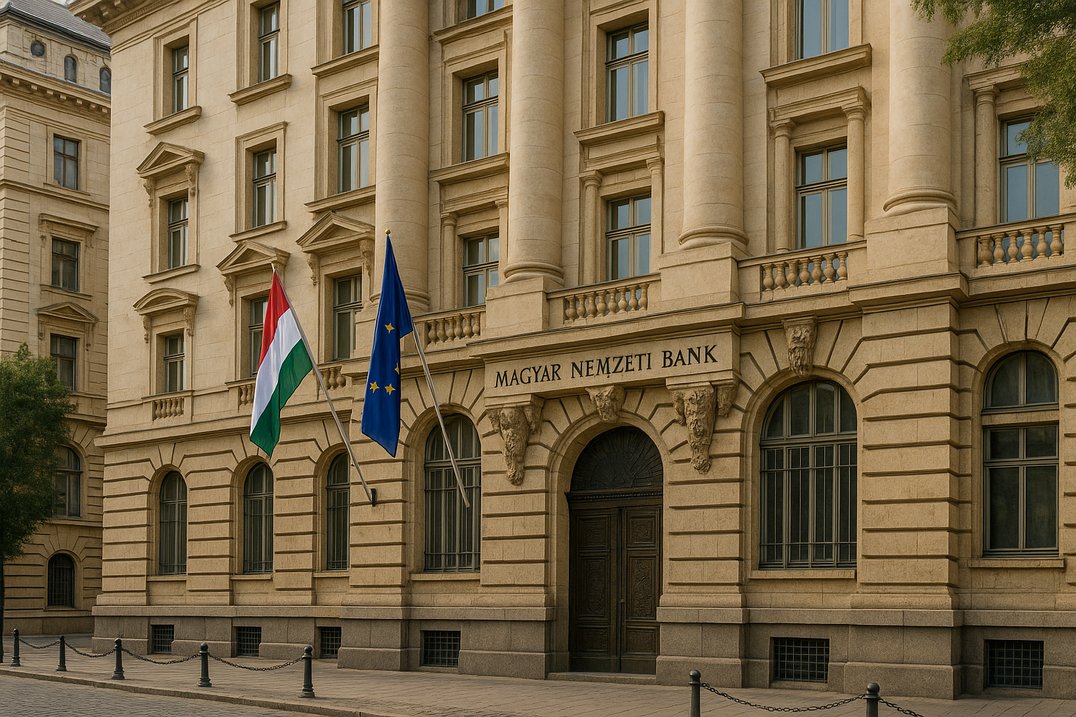
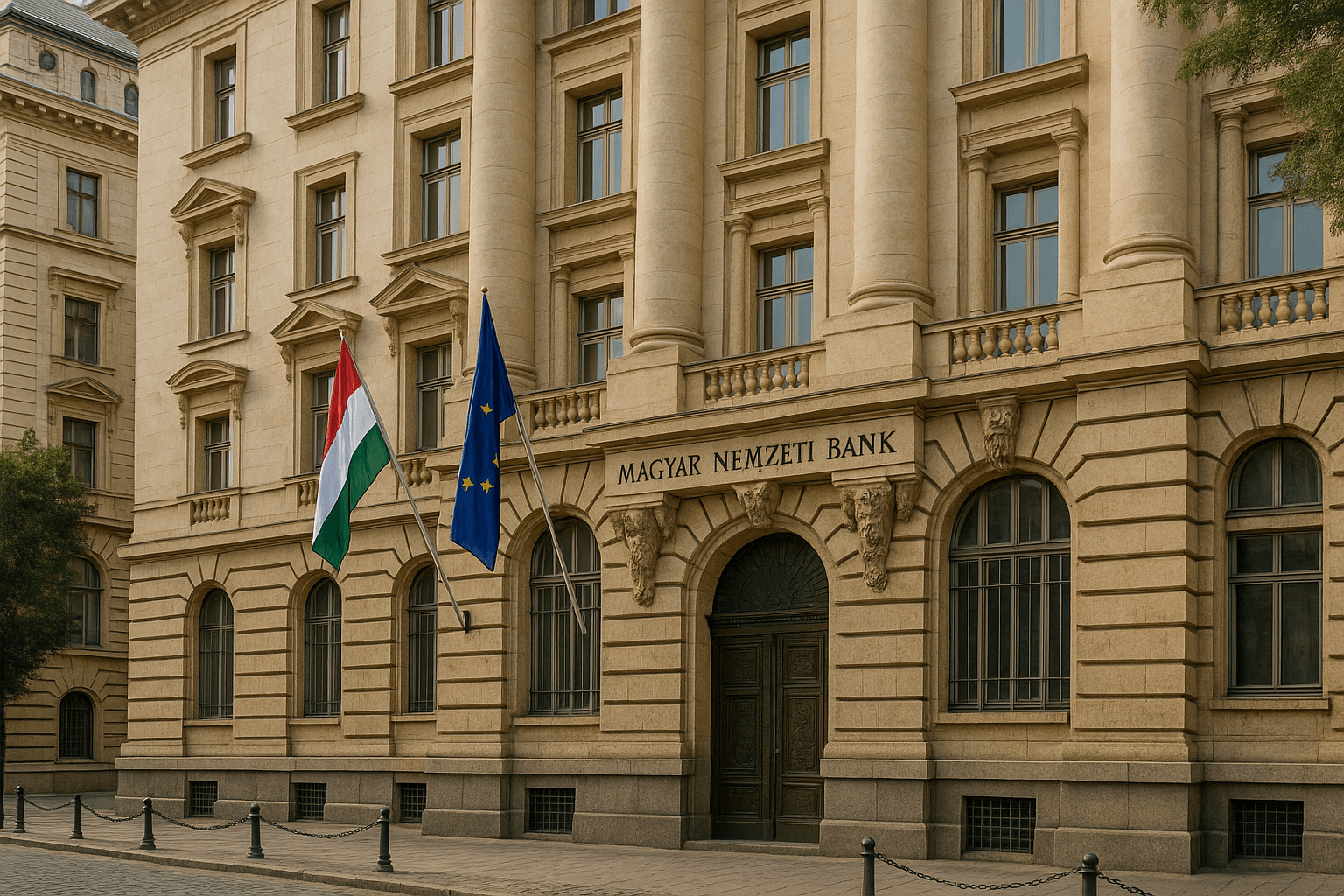
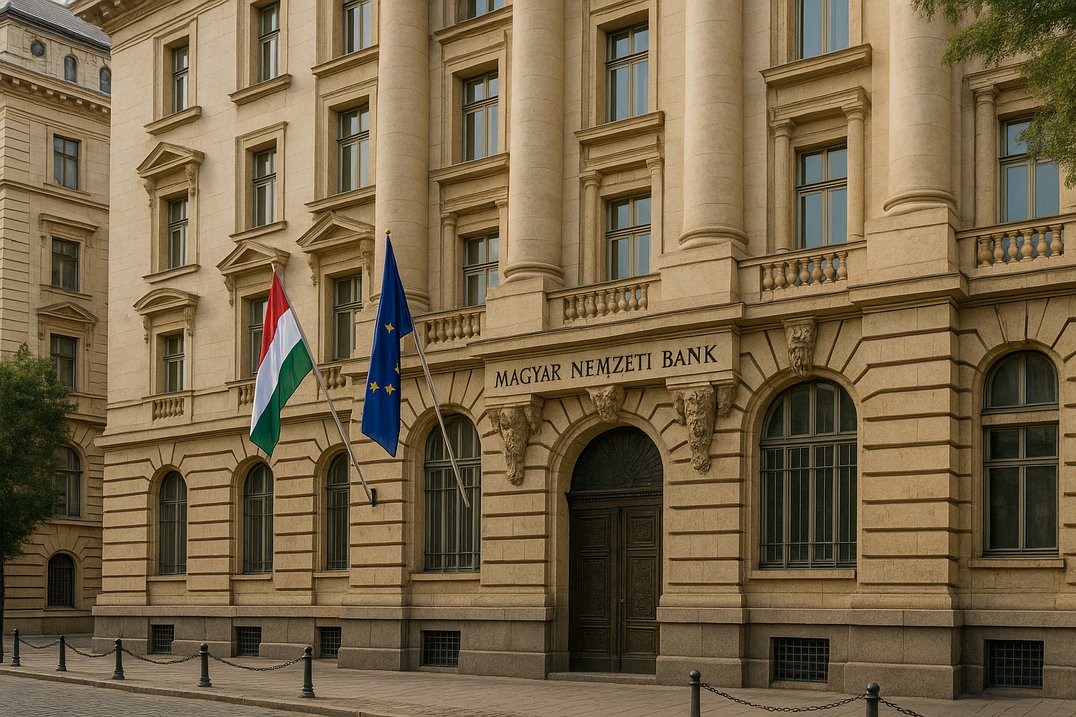
Inflation remains remarkably subdued: headline inflation slowed to 1.7% in June, while core inflation increased only modestly to 2.0%. In line with expectations, the National Bank of Hungary (MNB) continued its easing cycle by cutting the policy rate to 5.75% in July; current inflation trends have increased the likelihood of the base rate reaching 5.0% by year-end. Exchange-rate volatility, fiscal uncertainties and external geopolitical developments remain important constraints on monetary policy.