
Hungary's economy remains featured by a dual structure. Household consumption continues to provide the main engine for growth, benefiting service-sector activity, while most production-based sectors are still struggling. Export-oriented industries — especially automotive manufacturing, batteries and parts of electronics linked to the global AI investment cycle — represent the main exceptions.
We expect GDP growth of 1.6% in 2026. The outlook is supported by gradually improving exports, large industrial projects entering production, rising real wages, lower inflation and easier financing conditions. Additional support may come from RRF-funded public investments and stronger housing construction. Nevertheless, downside risks remain significant, including geopolitical tensions, trade-policy uncertainty, intense Chinese competition, drought-related losses and delays to major investment projects.
Domestic consumption is expanding steadily at approximately 3–4%, supported by wage growth, a resilient labor market and announced social policy measures. Services remain the primary beneficiaries of this demand, although companies exposed to foreign markets may face profitability pressure due to the stronger forint. Investment activity remains the weakest component of demand: corporate investment has yet to show a convincing turnaround, while several public and infrastructure projects have been scaled back or postponed.
Fiscal developments improved markedly during July. A monthly surplus reduced the cumulative budget deficit, helped by stronger EU transfers, lower interest expenditure and temporary expenditure restraint. Even so, the revised 2026 budget acknowledges a substantially higher deficit path: the government officially targets a deficit equal to 7.5% of GDP and expects public debt to rise to over 77% before stabilizing in later years.
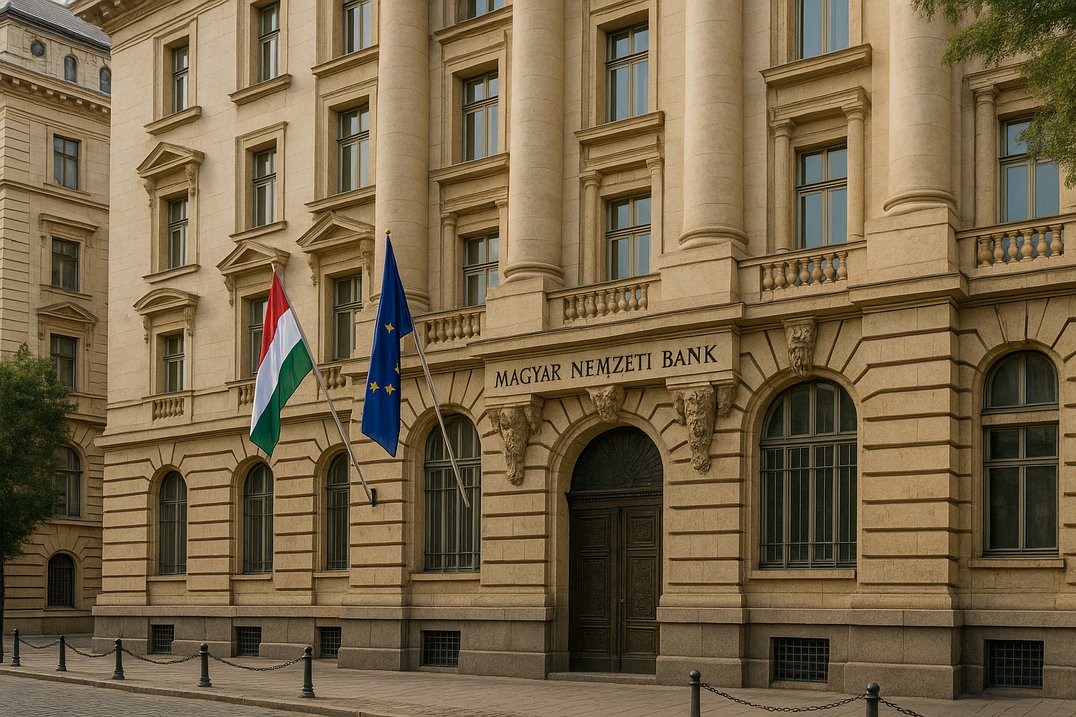
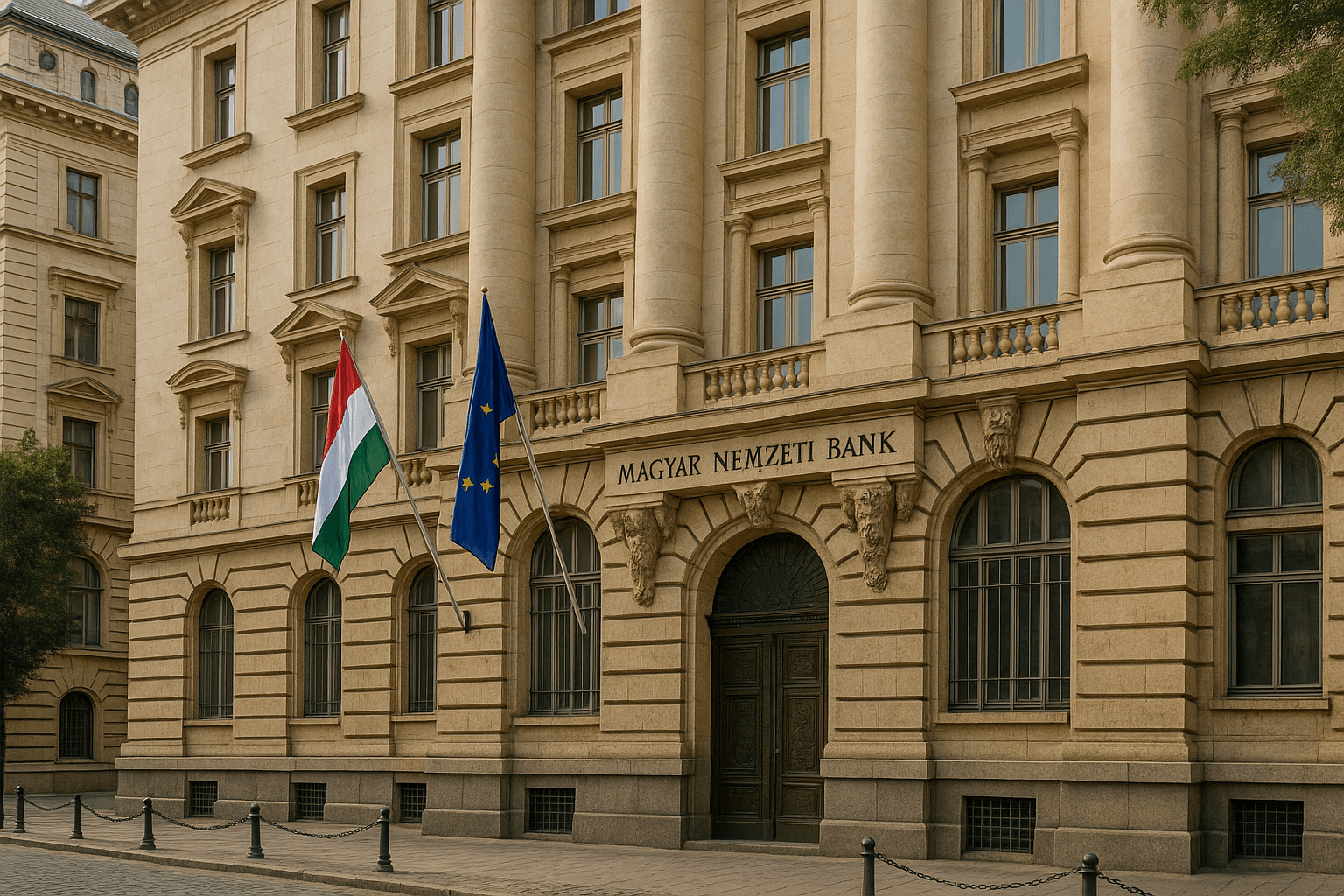
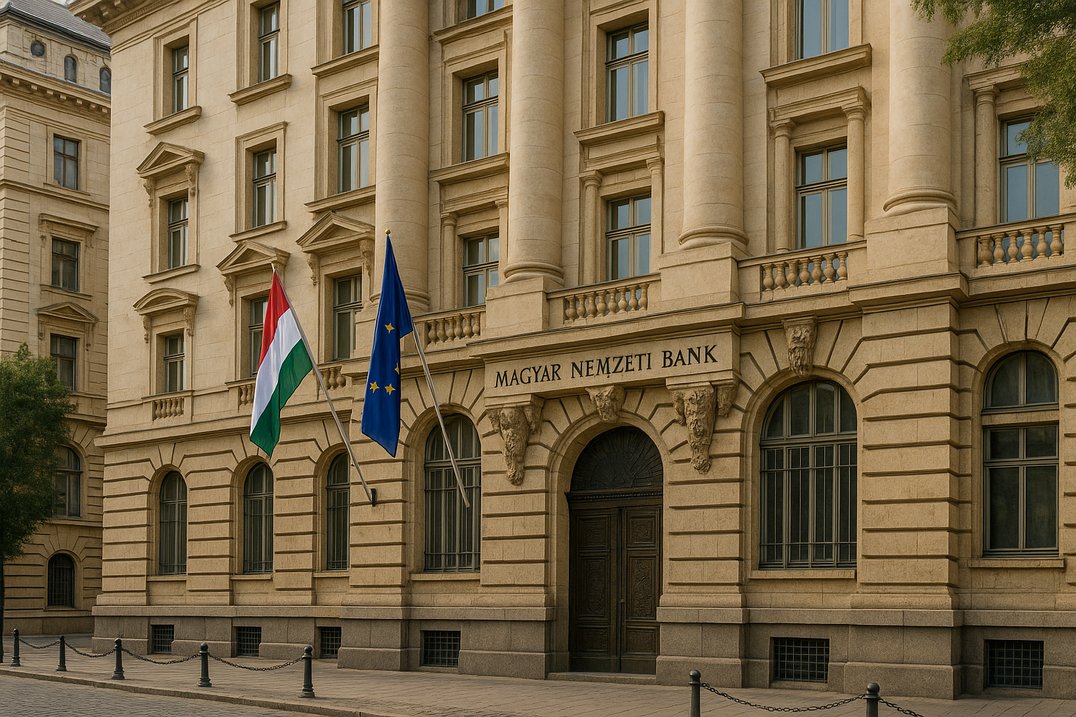
Inflation continued to surprise on the downside: annual consumer price inflation slowed to 1.2% in July, while core inflation also eased, helped by falling food prices, a stronger exchange rate and lower energy costs; service prices, however, remain under upward pressure from wage increases. The National Bank of Hungary (MNB) continued monetary easing in August with another 25 basis-point rate cut: markets increasingly expect the policy rate to move close to 5% by the end of the year, although currency volatility, fiscal risks and global financial conditions could limit the pace of future reductions.
On 10 September UniCredit Bank held «Mi az irány?» — «What is the direction?» — the latest online session of its Macroeconomic Outlook 2026 series, with chief economist Zsolt Becsey Jr.: what the supplementary budget means for business, geopolitical hot topics and the exchange rate outlook.